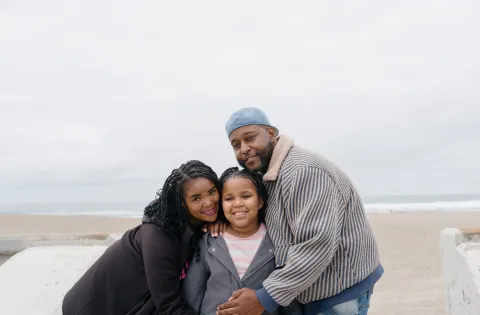
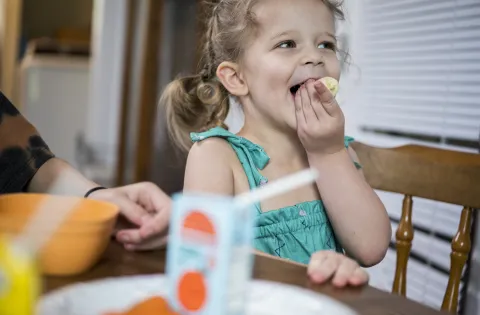
Smiles here,
Smiles there,
Smiles are everywhere at No Kid Hungry this year!
Although federal cuts to SNAP have made it increasingly difficult for kids and families across the United States to access the healthy, fulfilling meals they deserve, No Kid Hungry has not backed down from the challenge in 2026.
As we look back on our top smiles of this year, we're celebrating the people, partnerships and policy wins that made them possible, and the progress that inspires us to keep going until every child has the food they need to thrive.

Giving Every Community A Voice At Our Third Annual Summer Nutrition Summit
No Kid Hungry's third annual Summer Nutrition Summit brought together community leaders and advocates in Washington, D.C. this January to share innovative strategies for helping children access nutritious food during the summer months. Through interactive discussions and insights from inspiring speakers, including parents with lived experience, attendees explored ways to strengthen summer nutrition programs and expand their impact across the country.

Tafra Jones is a mom and foster parent from the Seattle area with deep ties to her Indigenous community. For her, the event provided a platform for her to highlight barriers that prevent Indigenous families from accessing the food assistance necessary to help their children and their communities thrive.
"If you are feeding your children and our youth and our families, then these kids are going to be able to be educated and learn and be able to grow up with bright minds, young minds to be able to be powerful members of the community," Jones said.

Summer EBT Expansion in Wyoming and Tennessee
Wyoming and Tennessee are expanding access to Summer EBT, also known as SUN Bucks, after dedicated advocacy efforts by No Kid Hungry, local partners and state champions. The additional $120 per child in grocery benefits will help parents in these states stretch their budgets during the summer months when school meals are not available.
In Wyoming, Gov. Mark Gordon signed an executive order this April to ensure Summer EBT will be available for kids and families this summer. In Tennessee, SUN Bucks will return in 2027 after state leaders approved $7 million in funding as part of the state budget.


Bolstering Local Economies and Families' Grocery Budgets
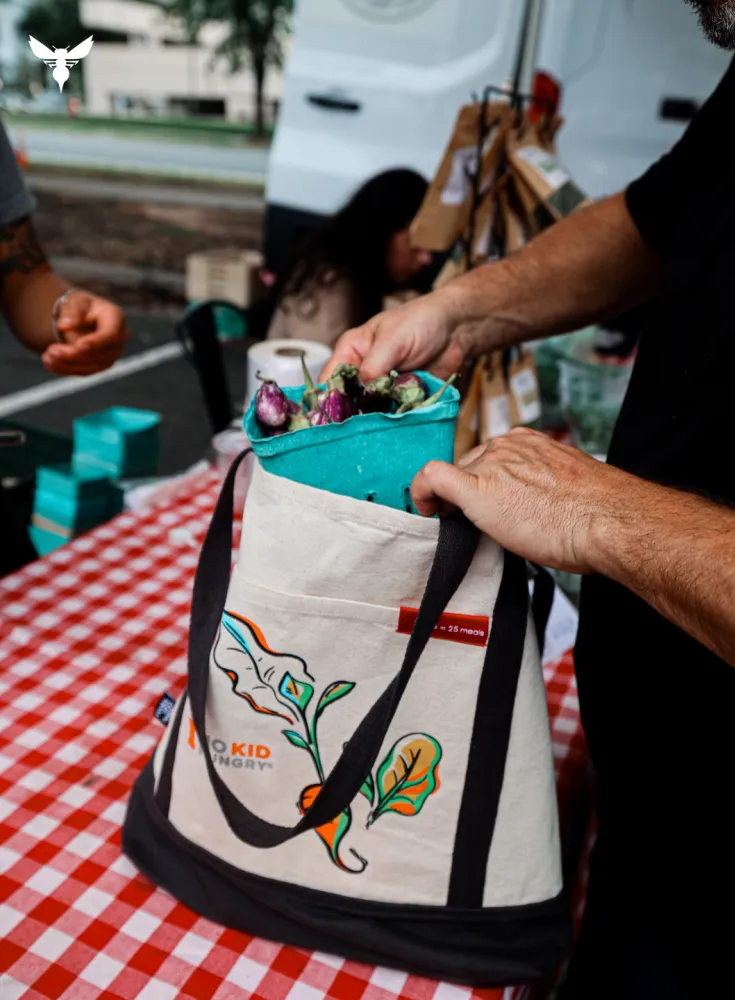
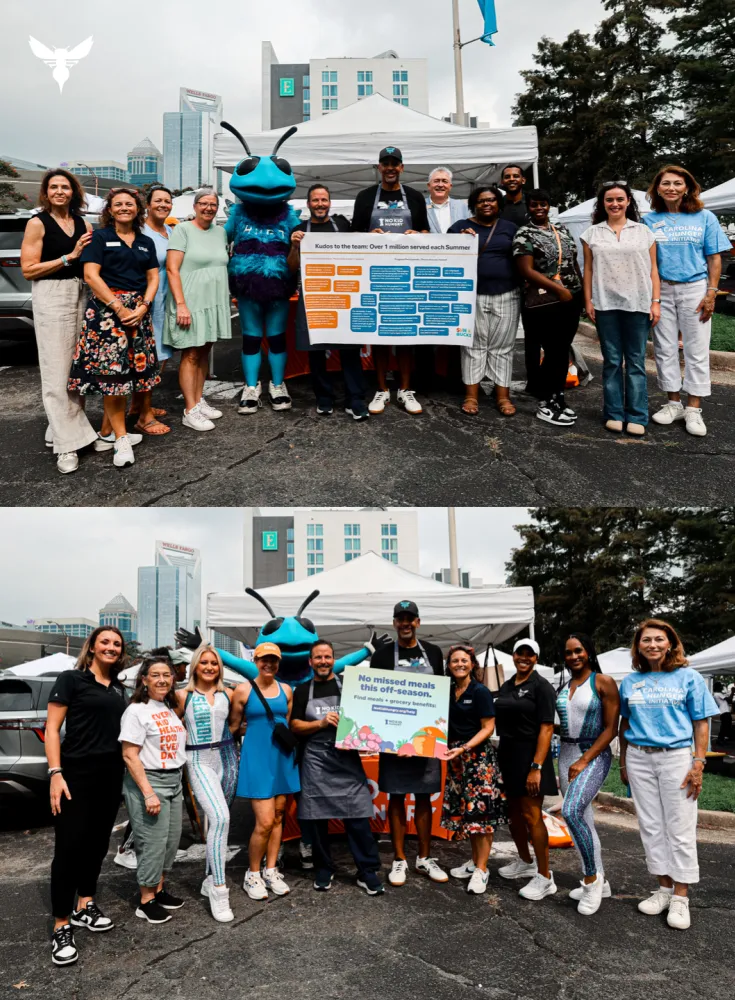
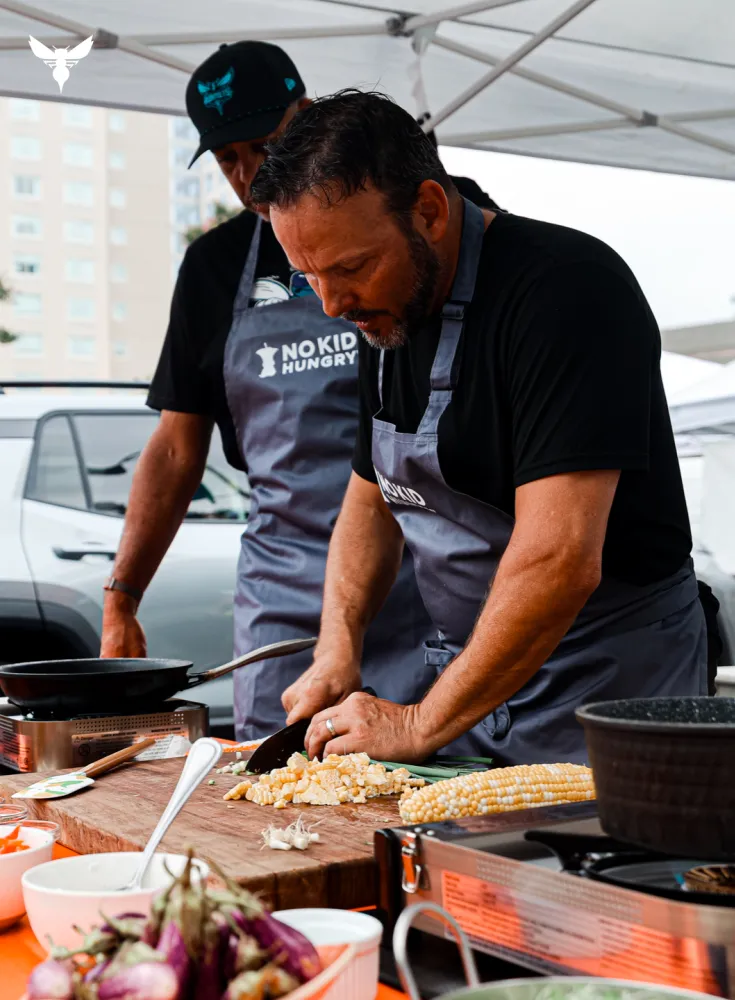
In August, an event at the Uptown Farmers Market celebrated a landmark commitment by the North Carolina General Assembly to fully fund the state's share of SUN Bucks administration for summer 2027. The celebration highlighted how partnerships, local food programs and community engagement can help families stretch their grocery budgets while supporting farmers and strengthening local economies.
The event brought families together for a morning of educational outreach, interactive demonstrations and ideas for affordable, healthy eating. Families also learned how to make the most of Double Up Food Bucks, a program that matches purchases at participating farmers markets, which allows shoppers to get more fresh fruits, vegetables and other healthy foods. Hugo the Hornet, the Charlotte Hornets' mascot, also joined the celebration! He brought energy to the market floor while local partners joined to celebrate the program's reach across the Charlotte region.
Launching A Mobile Benefits Center
Families in San Francisco can now access food assistance more easily thanks to a Mobile Benefits Center launched by the San Francisco Human Services Agency with support from No Kid Hungry. The mobile unit brings CalFresh, California's SNAP program, and other services directly into communities, helping families overcome barriers to accessing essential benefits.
For Veronica Pittman, a mother of two, access to SNAP has made a meaningful difference in her and her kids' lives. During a high-risk pregnancy, Pittman had to stop working, and food assistance helped her provide nutritious meals for her family while navigating childcare and planning her return to work.
On top of helping families overcome transportation and work schedule barriers that prevent them from going to brick-and-mortar benefits centers, Pittman explained mobile benefits centers help families with disabled kids access benefits documentation as well.
"I know that there are a lot of families where they might have a child at home that is hard to take them out because maybe they're disabled or have something like that, whereas, if they're somewhere local and the truck is able to come to you, that's definitely better and you're able to reach more families that way," Pittman said.


A Cross Country Biker Who Took A Stand Against Childhood Hunger
Mark Strauss, a 73-year-old cyclist from California, used his passion for cycling as a powerful way to support No Kid Hungry's mission to end childhood hunger. Strauss rode 3,200 miles over 69 days, raising nearly $1 million for No Kid Hungry during his No Kid Hungry Ride.
His cross-country adventure reflected his belief that hunger robs children of their potential and that investing in ending childhood hunger is an investment in human capital that benefits everyone. Along the way, he visited No Kid Hungry community partners, including food banks and school districts, to see firsthand how the funds he raised supports kids across the country. He also encountered people eager to help, offering donations, food, handshakes and words of encouragement.
"If I can push these old hips, knees and legs across the country, together we can push to make sure kids have the meals they need to learn, grow and thrive," Strauss explained.
Creating a Bill of Rights for Moms
When moms have access to stable housing, affordable child care, economic opportunity and strong support systems, their children are more likely to have the resources they need to learn, grow and thrive.
That was the central theme of No Kid Hungry's third annual Bridge Builders Summit, an event that brought together partners, philanthropists and leaders working to support single mothers, including many with lived experiences as single moms.
Inspired by event speaker and author Jamila Lemieux's book "Black. Single. Mom.," participants developed a Bill of Rights for Moms.

The group envisioned a world where every mom has the right to time, stable care, economic security, a voice and dignity. They explored what each right would require, from affordable childcare and fair wages to systems that treat moms with respect rather than suspicion.

These are the smiles that keep us moving forward. Together, we can build on this momentum, reach more families and create even more smiles as the year comes to a close, because every child deserves a healthy start and a chance to thrive.