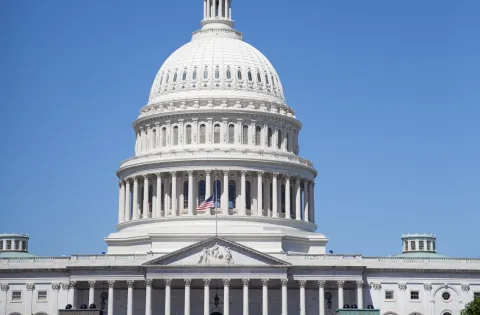
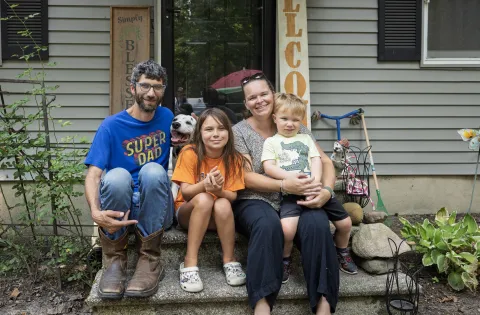
On December 2, members of No Kid Hungry's SNAP Parent and Caregiver Advisory Council are heading to Washington, DC for an advocacy day on Capitol Hill. They'll speak at a Congressional briefing for Hill staff and meet with their own Members of Congress.
Their goal: to share what the Supplemental Nutrition Assistance Program, known as SNAP, means for their families and what's at stake right now.

The timing matters. Since Congress passed H.R. 1 in July 2025, 5.5 million fewer people are participating in SNAP, including an estimated 2 million children. Some families lost help because of new eligibility rules and work requirements. Others got stuck in paperwork or agency churn as states worked to roll out the changes.
The Council launched in 2025 in partnership with the National Parent Leadership Institute. Its members are parents and caregivers who know SNAP and other nutrition programs from their own lives, and they bring that experience to conversations about how these programs can work better for families.
They've already been making their voices heard.
Council members have shared their stories in media interviews and spoken at national events, including the No Kid Hungry Summer Nutrition Summit. When SNAP benefits were paused during the 2025 government shutdown, they spoke up about what it meant for families like theirs.

And they're doing more than telling their stories. Council members have helped shape several No Kid Hungry initiatives aimed at making nutrition programs easier for families to find and use. Their insights guide the policies we advocate for and how we connect families with the benefits they're eligible for.
The advocacy day grew out of the Council's own request to speak directly with policymakers. Now they'll bring their perspectives to the lawmakers deciding SNAP's future.
H.R. 1 made the largest cut to SNAP in the program's history: nearly $200 billion over 10 years. It also shifts significant new costs onto states, requiring all states to pay more to administer the program and, for the first time, forcing states with higher payment error rates to cover a portion of SNAP benefits.
The payment error rate measures the accuracy of the program, namely whether participants receive too much or too little in benefits, often because of administrative mistakes. Importantly, payment error rates are not a measure of fraud.
States are already working to reduce payment error rates, but they need more time and resources to do it without jeopardizing access and benefits for eligible families. Paying a significant share of SNAP program costs will strain state budgets, making it harder for states to keep SNAP and other programs and services accessible for kids and families.
That's why Council members will ask Congress to delay the shift of SNAP costs to states, and work to reverse the underlying cuts to the program.
More time would let states improve accuracy without putting up new barriers for families.
And the stakes go beyond SNAP. When kids lose SNAP, they can miss out on meals at school and in the summertime, too. SNAP enrollment automatically qualifies children for free school meals and, in participating states, SUN Bucks, the summer grocery benefit. Losing SNAP can mean losing that automatic access, leaving families with more paperwork to navigate or even putting children at risk of missing out entirely on critical nutrition assistance throughout the year.

This requires urgent action.
As Congress considers year-end legislation, including the Farm Bill, No Kid Hungry is urging lawmakers to strengthen SNAP and protect families' access to the food they need. That means delaying and ultimately reversing harmful cuts, ensuring eligible families can get and keep their benefits, and giving states the tools and resources to administer the program effectively.
At No Kid Hungry, we believe nutrition programs work best when they're built with the families who use them. Parents and caregivers know where these programs work, where they fall short and what their families need.
On December 2, lawmakers will hear that from the people who know it best.