Black History Month is an opportunity to recognize the individuals and movements that have shaped our nation and strengthened communities.
For more than a century, the modern anti-hunger movement has been deeply rooted in Black leadership, innovation, and advocacy. As the No Kid Hungry team celebrates Black history this month, we reflect on the scientific breakthroughs, grassroots organizing, and federal policy efforts that have helped advance food equity. From scientific breakthroughs to grassroots organizing and federal policy, the following timeline highlights key milestones that continue to influence how we fight hunger today.
Timeline of Major Accomplishments
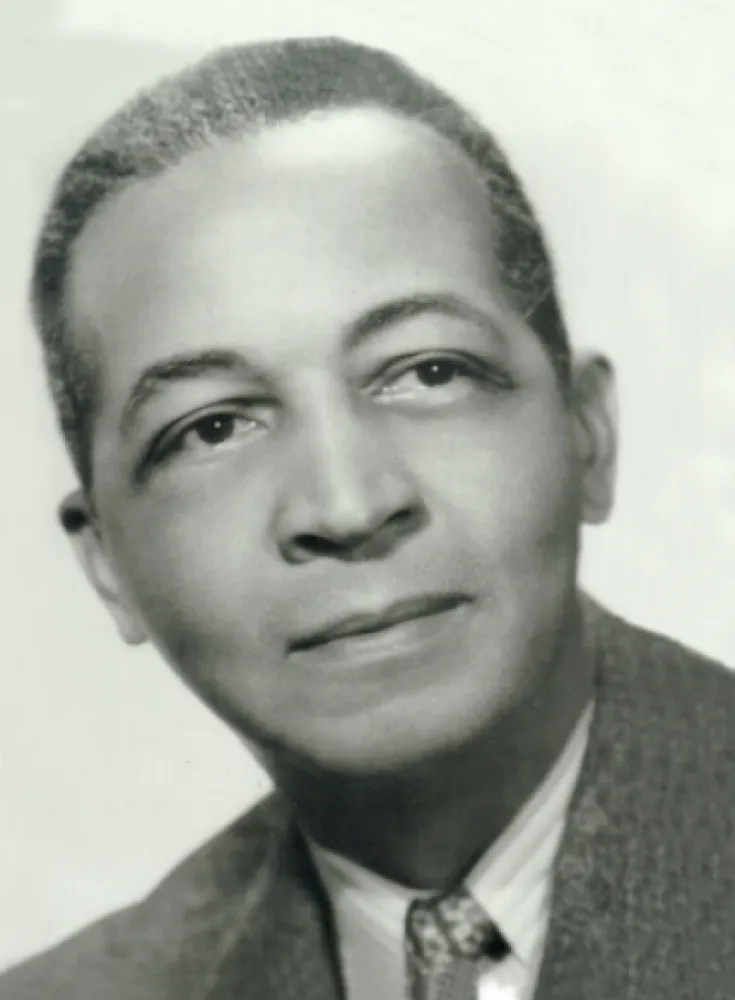 | 1932: Lloyd Hall advances food preservation scienceLloyd Hall revolutionized food preservation by developing methods that reduced spoilage and improved food safety, helping prevent food waste at scale. One of the first Black food chemists, Hall discovered ways to suppress food-spoiling nitrogen using sodium chloride, sodium nitrate, and nitrate. He later pioneered the use of chemical antioxidants such as lecithin and introduced ethylene gas treatments to eliminate harmful microbes. His work made food safer, more affordable, and more accessible, laying critical groundwork for modern food sustainability and large-scale hunger prevention. |
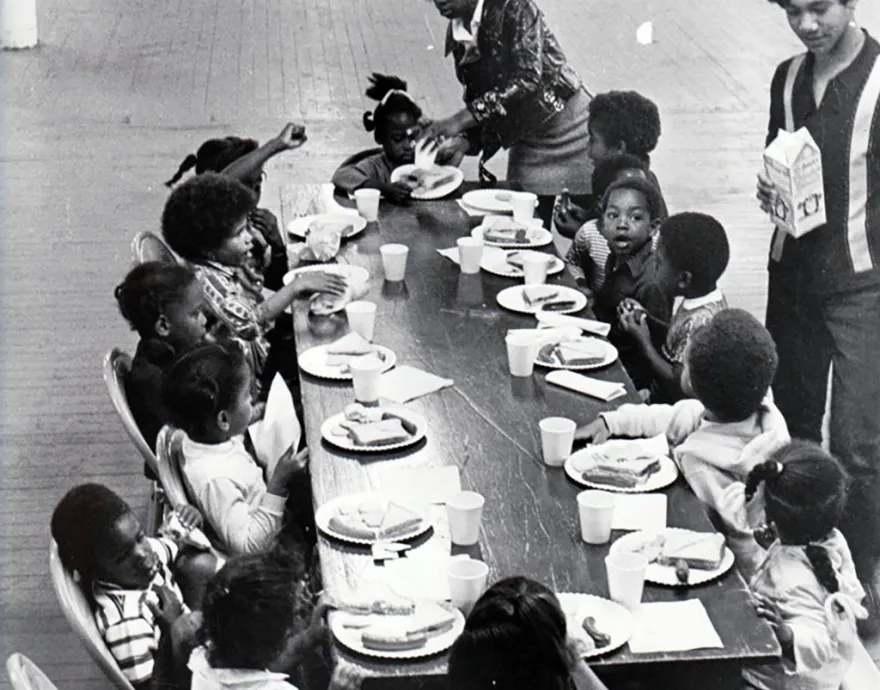
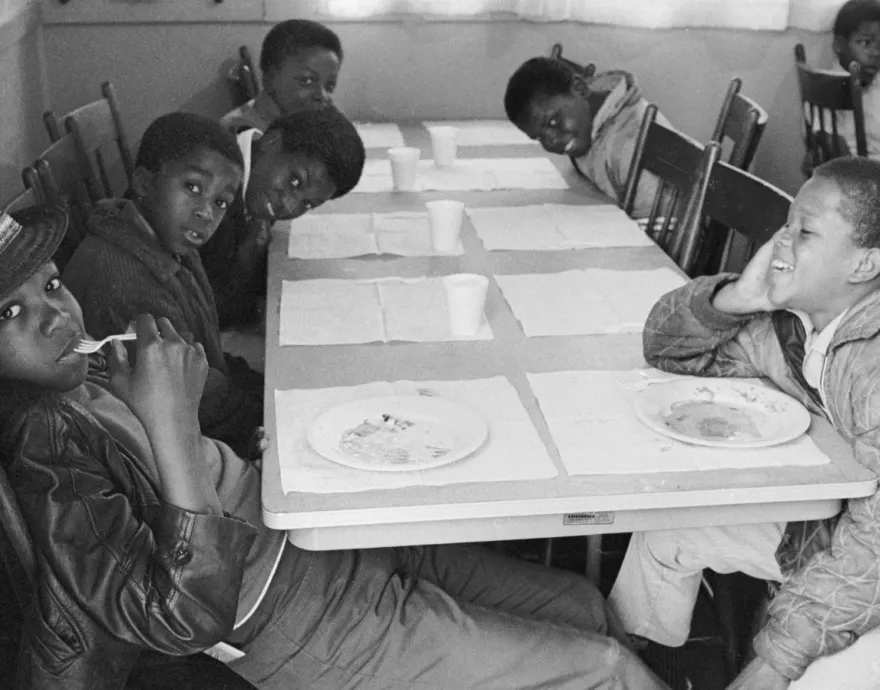
 | 1969: The Black Panther Party launches the Free Breakfast for School Children ProgramThe Black Panther Party demonstrated the power of community-led solutions by providing free, nutritious breakfasts to thousands of children nationwide. Launched in Oakland, California, the Free Breakfast for School Children Program addressed the direct link between hunger and academic performance. By 1971, it had expanded to 36 cities and fed tens of thousands of children. The program’s success influenced public opinion and helped inspire the creation of the federal National School Breakfast Program, which continues to serve millions of students today. |
 |  |
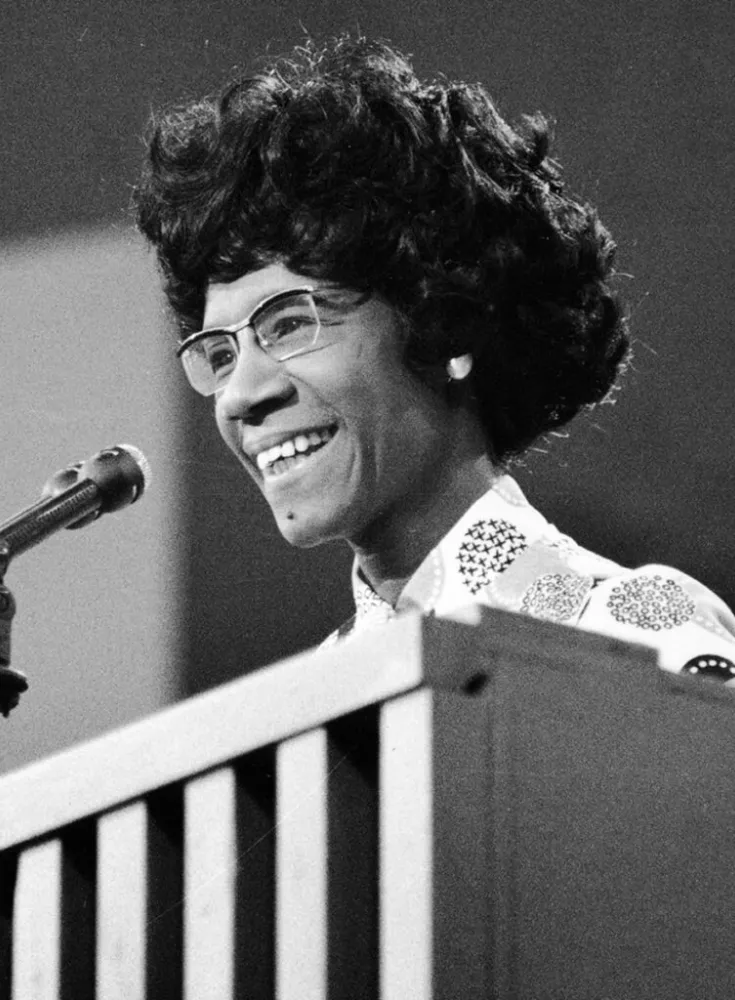 | 1972: WIC is established with leadership from Representative Shirley ChisholmShirley Chisholm played a pivotal role in establishing WIC, a program that transformed maternal and child nutrition nationwide. As the first Black woman elected to Congress, Chisholm helped secure passage of an amendment to the Child Nutrition Act creating the Special Supplemental Nutrition Program for Women, Infants, and Children (WIC). Despite political resistance, she championed making the program permanent in 1975. Today, WIC supports more than 6.7 million women, infants, and children each year and is credited with improving nutrition outcomes and reducing infant mortality. |
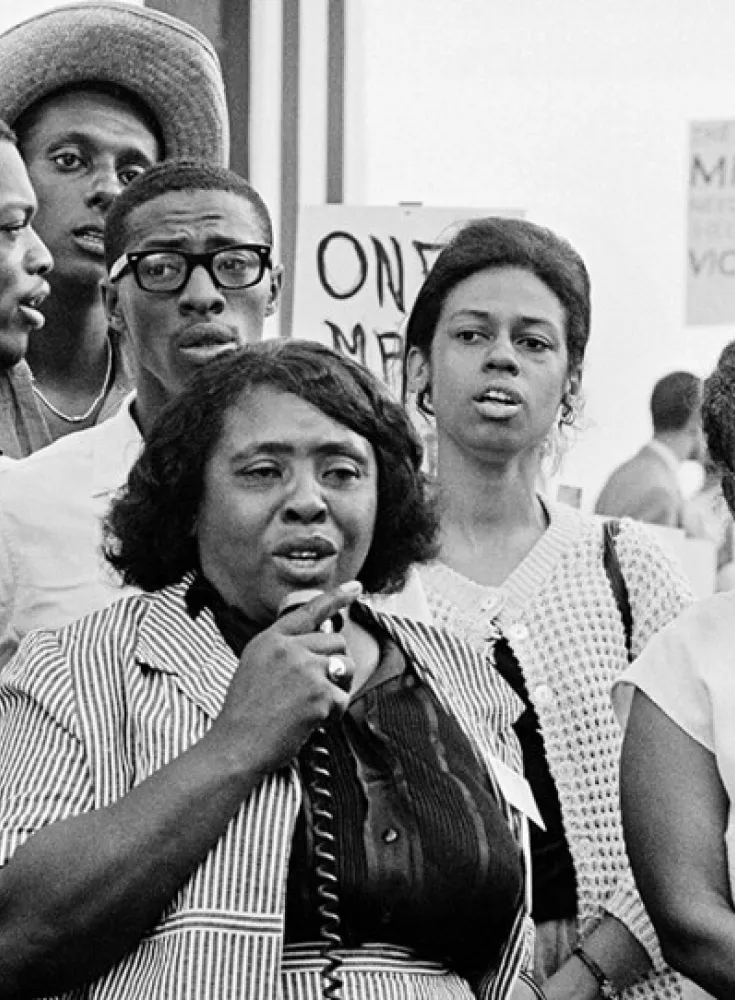 | 1970s: Fannie Lou Hamer advances food justice through the Freedom Farm CooperativeFannie Lou Hamer linked civil rights and food access by empowering Black families to grow their own food and build economic stability. In the Mississippi Delta, Hamer helped establish the Freedom Farm Cooperative, whose objective was to make land accessible to black farmers, provide a source of food, and employment for marginalized families facing systemic discrimination. By enabling families to grow their own food, through initiatives such as The Pig Project, the cooperative laid early groundwork for today’s food justice and food sovereignty movements. |
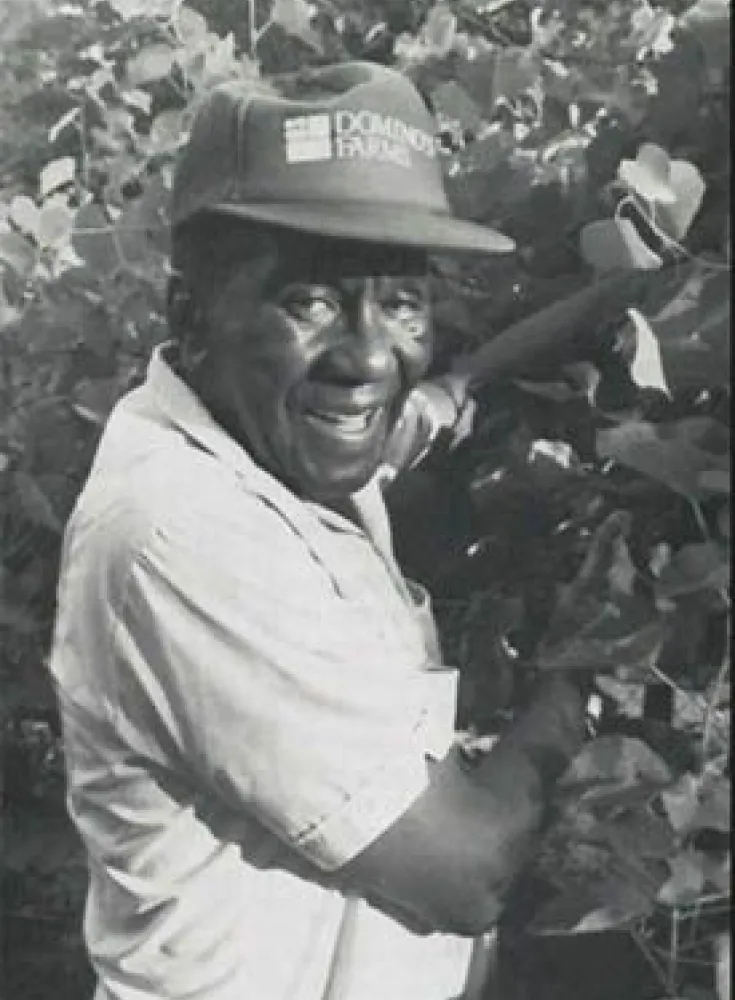 | 1987: Booker T. Whatley popularizes community-supported agriculture (CSA)Booker T. Whatley pioneered a farming model that strengthened local food systems and increased access to fresh produce. In his book How to Make $100,000 Farming 25 Acres, Whatley introduced the “Clientele Membership Club,” a system in which consumers paid farmers upfront in exchange for regular access to fresh produce. This model provided farmers with predictable income and encouraged sustainable practices. His ideas became the foundation for modern community-supported agriculture (CSA) programs used across the country today. |
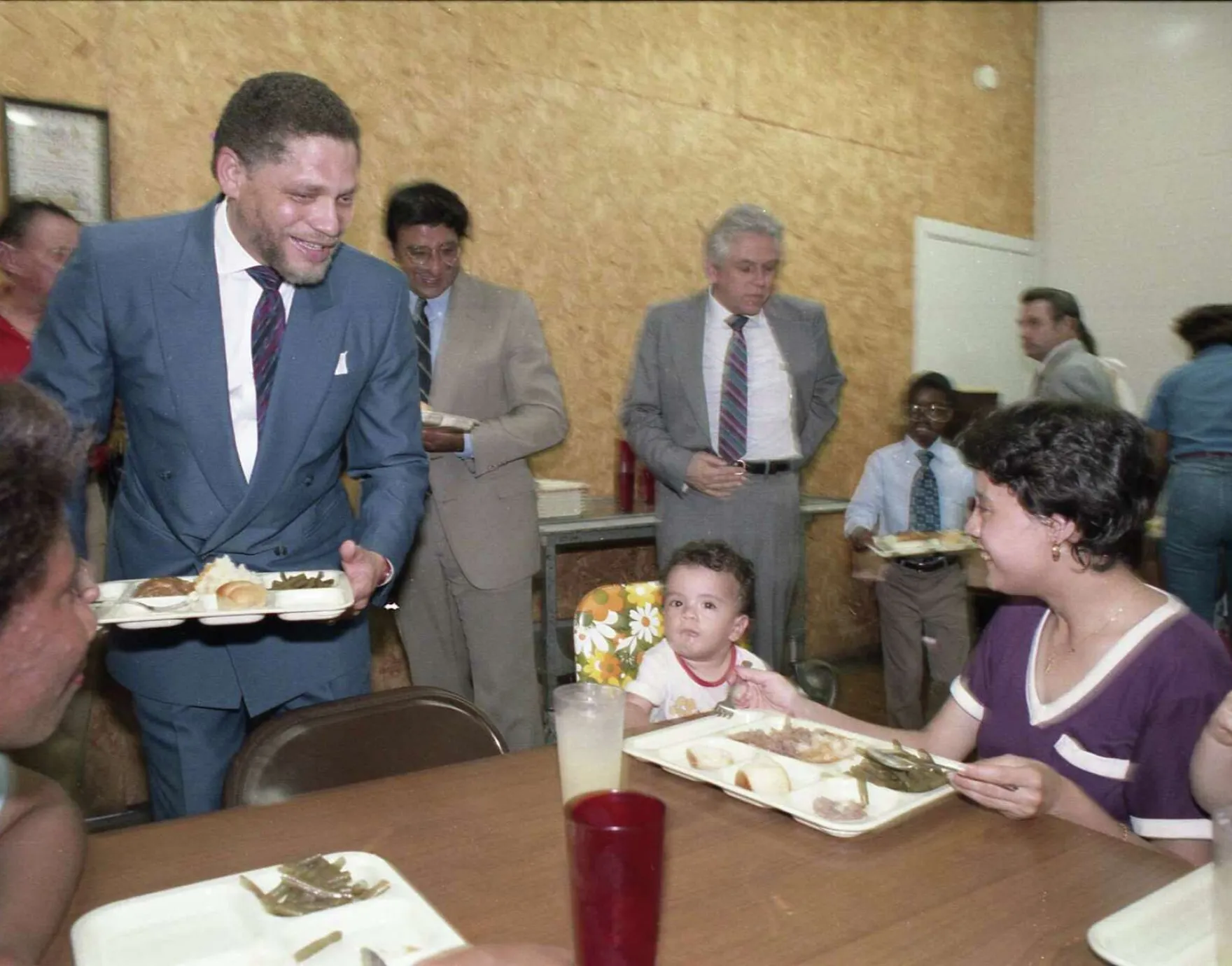 | 1993: The Mickey Leland Childhood Hunger Relief Act strengthens SNAPRepresentative Mickey Leland helped strengthen federal nutrition programs to better protect children and families from hunger. A co-founder of the House Select Committee on Hunger, Rep. George “Mickey” Leland was a tireless advocate for both domestic and global hunger relief. The 1993 Mickey Leland Childhood Hunger Relief Act reinforced and expanded nutrition assistance programs, including SNAP, underscoring the federal government’s role in safeguarding children and families from food insecurity. |
 | 2010s: Karen Washington reframes food access through food justice and food sovereigntyKaren Washington has reshaped the national conversation on hunger by naming and confronting the structural roots of food inequity. A farmer, activist, and co-founder of Black Urban Growers (BUGs) and the Black Farmers & Urban Growers (BUGS) National Conference, Washington has worked for decades to empower Black communities through food sovereignty, supporting growers in both urban and rural settings. She is widely credited with coining the term “food apartheid,” which describes systemic separation of communities of color from healthy food access, farmland, and economic opportunity within the food system. Washington’s work has helped shift the anti-hunger movement beyond charity-based responses toward justice-driven solutions that address power, policy, and ownership in the food system. |
The work of these leaders and movements laid the foundation for much of today’s anti-hunger efforts. Without their innovation, advocacy, and courage, organizations like ours—and the broader fight for food justice—would not exist. This is not an exhaustive list, but rather a reflection of the many individuals and movements whose contributions have shaped the path forward. We stand on the shoulders of those who came before us and share a responsibility to continue their legacy. With the same commitment to community that guided these leaders, we will continue working together to end childhood hunger and build a more just and nourished future.