Teens eating in a school cafeteria

Meet the 2025 Cohort

The Breakfast Design Lab

The Breakfast Design Lab provides school nutrition directors with an opportunity to develop, test and scale ideas to improve school breakfast experience in their districts. 

The structured Lab provides coaching in human-centered design, peer learning and ongoing refinement of ideas to improve the breakfast experience for students. Giving directors the opportunity to step back from the day-to-day pressures intrinsic to school food service to think creatively about what might be possible is a central feature. Over the course of the Lab, directors develop an innovative idea to improve the student experience, engage students and parents in the design of a prototype, launch the prototype and develop a plan for sustaining momentum. 

Meet the 2025 cohort and learn how they're improving the school breakfast experience for students across their districts.

Jurupa Unified School District, California
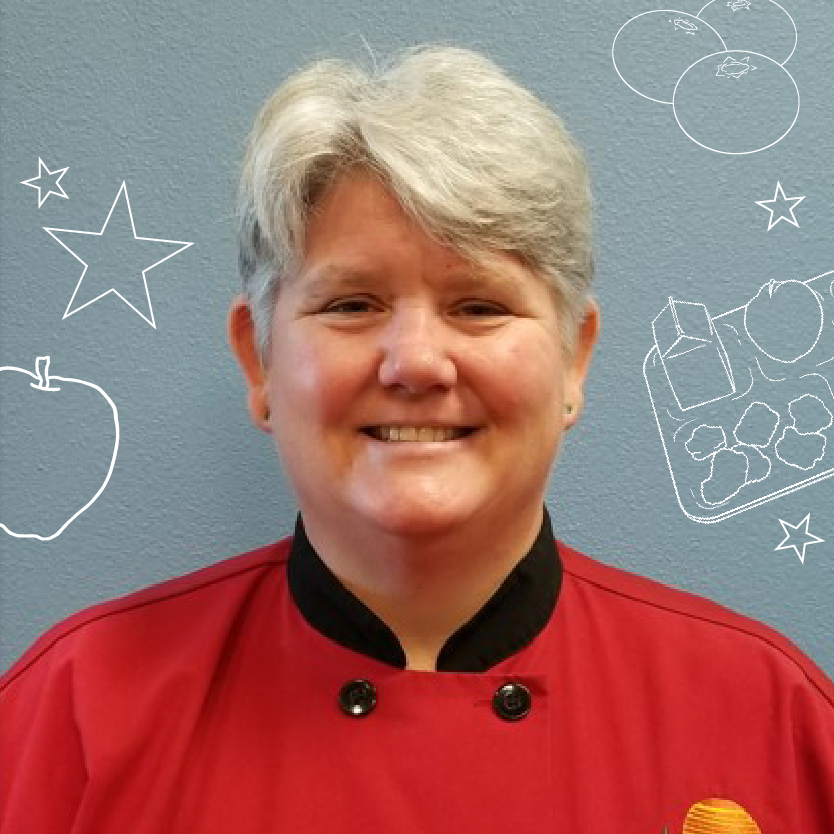
Michelle Poirier Headshot

Michelle “Missy” Poirier
Director of Nutrition Services 

Missy has been the Director of Nutrition Services at Jurupa Unified School District since 2021. She and her team work hard to ensure all students have nutritious meals year-round. As a chef, Missy loves to cook and breakfast is her favorite meal to cook and to eat.
Overview The team at Jurupa noticed a design challenge in recently renovated schools: the student drop-off area was reduced, creating a traffic jam and preventing kids from arriving in time for breakfast. So they decided to bring the food to them, packing breakfast sandwiches and a mobile point-of-sale scanner on a cart that was easy to maneuver, and moved down the line of cars.
PrototypeAt the first school where they prototyped this approach, breakfast participation went from 40 to 195. Parents simultaneously learned about the program and other benefits that they could access. In other locations, they are rolling out carts near the playground - they are finding the areas where kids congregate and bringing the food to them.
Implementation LessonsA kitchen manager at the redesigned school suggested bringing food to the kids in line and Missy encouraged her to try it, with an existing cart and a handwritten sign. Creating an environment which enables experimentation can lead to more innovative ways to serve students. And creating scrappy experiments from materials already on hand, can prove or disprove the idea before investing too many resources in new materials and infrastructure.
“The breakfast design lab showed me how to really plan. I usually act fast and go full speed ahead. The processes that I have implemented through the design lab have made me realize that I must plan better so that my ideas have a chance to be successful. If you fail to plan, you're planning to fail.” 

Intrigued? Try a survey tool like Missy used to design her prototype or ask parents questions when they are a captive audience - like in the dropoff line. Questions for parents included:

  • Where does your child eat breakfast?
  • What would motivate your child to eat at school?
  • Are you aware breakfast is served and at no charge?

Hayward Unified School District, California
Rachael Egan Headshot

Rachael Egan
Child Nutrition Supervisor

Rachael has been the Child Nutrition Supervisor in Hayward Unified School district for a decade. She also has experience at Aramark and hotel food service.
Overview Rachael Egan and her team wanted to provide students in their middle and high schools easier breakfast options in an already packed academic schedule. They worked with teachers and administrators to add a few minutes to the morning break period and placed carts with breakfast sandwiches strategically in high traffic hallways.
Results of PrototypeThe team determined that the initial prototype did not work! There was just too little time for students to grab the food and teachers were still skeptical about how the nutrition break would impact academic time. Prototyping is valuable no matter the outcome as the experience can provide you with data and feedback to integrate into your planning for a new approach.
Implementation LessonsAfter this experience the team regrouped and figured out that there was a solution: in California several minutes devoted to a nutrition break can count as instructional time! Now they are trialing carts that can be moved around easily while carrying a large load and will launch them in 2026.
Intrigued?Consider this guidance on Building a Prototype or Making Sense of Learnings.

Craven County Public Schools, North Carolina
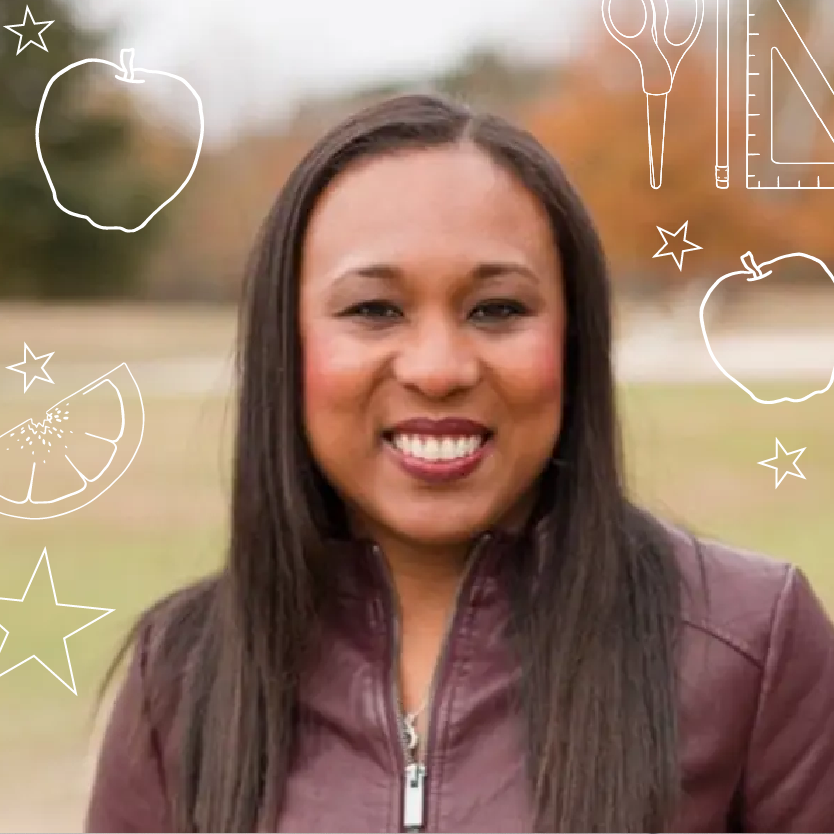
Lauren Weyand Headshot

Lauren Weyand
School Nutrition Director

Lauren is a registered dietitian and the School Nutrition Director in Craven County. Her program serves students in 23 schools and two early colleges. She began her career in school nutrition in Georgia in 2011. She loves anything outdoors including, running, hiking and gardening.
OverviewStudents at early college campuses in Craven County have limited breakfast options available to them as the sites are not equipped with kitchens. Though Lauren's staff brought over coolers filled with breakfast and left them in the main office, only 2 or 3 students would come to pick up the breakfast. Lauren held a focus group to understand what would motivate students to eat breakfast on campus. She was told by one student that they would “pay anything” to be able to arrive at school at the first bell and get breakfast on their schedule.
PrototypeAfter the focus group and observing the students as they arrived in the morning, Lauren had an idea: why not repurpose snack vending machines like the ones you see at sports stadiums to serve healthy, convenient, and free breakfast items? She identified an unused vending machine in the district to bring to the early college campus, conducted taste tests for breakfast items to put in the vending machine, invested in packaging for warm sandwiches, and launched a contest to decorate the outside. Each small step helped to refine the idea through feedback from students, teachers and administrators, and fellow food and nutrition directors participating in the Design Lab.
Implementation Lessons The art contest helped to raise awareness and generate excitement for the vending machine among students and administrators. It provided visible evidence that students were involved in the process. The contest generated such a buzz that administrators suggested having a ribbon-cutting ceremony - not something that usually happens when a vending machine appears on campus!
“Being able to collaborate with colleagues and gaining a diverse perspective on your ideas has been a game changer. The transformation of an idea into an innovation is nothing shy of a miracle!” 
Intrigued? Try a focus group with students like Lauren or host a co-creation session to invite students to design the prototype with you.

As this example shows, having a contest to create the look and feel of new equipment or other food items can generate excitement and pride. See how Lauren and her team framed the art contest.

Clinton County Public Schools, Kentucky
Jessica Conner Headshot

Jessica Conner
Food Service Director

Jessica became the Food Service Director for Clinton County Schools, Kentucky in 2024 after 12 years as a math teacher. She's started a catering company and loves fried bologna and pimento cheese sandwiches!
OverviewJessica came into the Design Lab with many ideas to engage students and parents in the Clinton County meal program. She was confronting what so many meal programs face across the country - low awareness about school food options and misconceptions about the taste and nutrition of the food. An observation from one parent sparked the idea for Jessica's prototype. The parent complained about the sugary cereals kids received for breakfast and other items on the menu that seemed unhealthy. Jessica seized this opportunity to improve parents' understanding of the nutritional content of the school food program.
PrototypeEnter Bulldog Bites newsletter. Jessica created a newsletter to feature nutrition facts about the meal program, in Spanish and English. The short-term goal of the newsletter is to educate parents and dispel misconceptions about the program. For instance, one edition contrasts the sugar content of store-bought cereals with those permitted by USDA regulations (hint: it’s much lower in schools). Over the long run, the goal of Bulldog Bites is to open an ongoing dialogue with parents about nutrition and school food.
Implementation LessonsWhen you are a staff of one or two responsible for feeding an entire community, it can be difficult to find time to conduct surveys or present your program to different stakeholders on top of what you are already doing. That’s why a newsletter can be a time-saving engagement tool. The content for a monthly newsletter can be prepared in advance, before the school year, as the nutrition information will not change. It can be tweaked slightly as the year progresses, based on feedback. Distribute the first newsletter in summer meal boxes. Distribute it at back-to-school nights to kick off the year. Add a contest to encourage parents to fill out free and reduced priced meals forms, and more!
"The ability to sit and converse with directors from all across the United States who struggle with the same issues as my small town was incredibly cathartic. Bouncing ideas and best practices in a group setting allowed us to test our theories and work through our ideas while all working toward the same goal of feeding babies. Going through this process together has provided a network of directors that I can still talk to and bounce ideas off to this day." 
Intrigued?Build a newsletter for your own community using the template for Bulldog Bites

Use it to highlight a topic that is important to your community. Pull from nutrition hubs like SNAP-ED or work with a teacher or local food bank for ideas on nutrition tips that will work for your community.

Portland Public Schools, Maine

Jen Montague and Sam Dolan HeadshotsJen Montague and Sam Dolan Headshots

Jen Montague, Food Services Director
Sam Dolan, FoodCorps

Jen Montague joined Portland Public School's Food Service Team in October 2024. She has a master’s degree in nutrition and experience as a school food service director in Montana, with the USDA Child Nutrition Programs in Washington, D.C., as a teacher nutrition and food service management, and providing direct nutrition education to support pediatric patients with obesity at MaineHealth. 

Sam Dolan is the FoodCorps member for Portland Public Schools Food Service. She has worked at an organic veggie farm in Southern Maine, a junior boarding school in Upstate New York, also taught Edible Schoolyard to 4th and 5th graders. She has enjoyed learning about school nutrition alongside such a motivated team in Portland!
Overview Jen and Sam noticed that few students eat breakfast in high schools and middle schools where cafeterias are in the basement. This observation led them to consider ways to make breakfast more convenient and appealing to students who want to socialize in the morning. So they found a spare salad bar that wasn’t being used and converted it into a mobile testing unit, searching for the best locations to attract students in the morning. At the same time, they tested an array of high-protein breakfast sandwiches and pursued a Halal certification to serve the rapidly growing Muslim population in the district. The secret to making their pork-free breakfast sandwich a hit? An extra slice of cheese! They conducted several taste tests to make sure kids would like the taste.
Results of PrototypeDuring the breakfast cart prototype, high school student participation increased from 15% to 20% – a big shift for the notoriously picky age group. The success of this prototype provided the team with the data they needed to expand the offering to more schools throughout the district.
Implementation Lessons Jen and Sam also noted that by having a physical breakfast cart, in a visible location, they were also able to draw the attention of teachers and administrators. They were able to bridge some of the divide between the food and academic spheres, answering questions about the food and the intent of the prototype and highlighting how beneficial it can be to have students come to class fortified by high-protein foods.
“This seems like a great start and quite significant, given the added benefits of relationship building with teachers and administrators in the building, and the fact that the majority of that increase comes from students who were late to class and would have otherwise not eaten.” - Jen 

Intrigued?

Sign up here to receive the application for the 2026 cohort.