Cooks Who Feed is a social enterprise that sells ethically produced, fair-trade kitchen textiles—primarily handcrafted aprons—to combat global hunger.
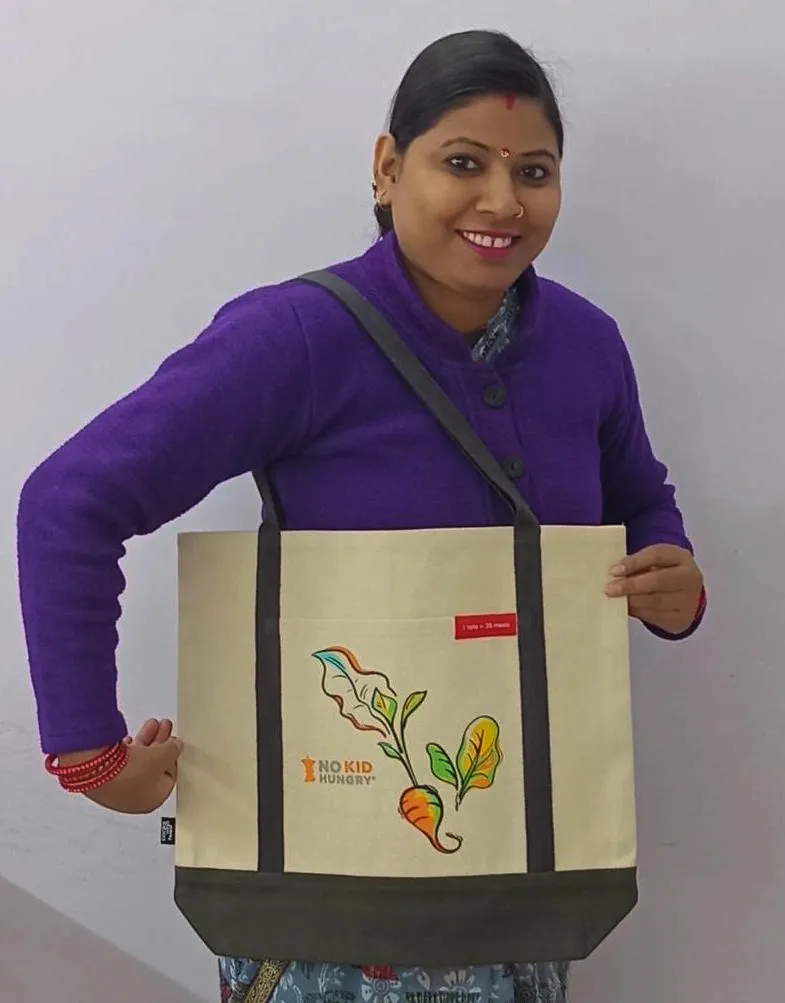
Founded by Seema Sanghavi, the company provides 100 meals for every apron sold by partnering with organizations, including No Kid Hungry. Cooks Who Feeds also partners with No Kid Hungry by providing aprons for talent at No Kid Hungry’s culinary events.
 |  |
Tell us a little about yourself and Cooks Who Feed!
I started Cooks Who Feed a little over five years ago. I’ve always wanted to launch a social enterprise that had real impact. I’ve also always been a foodie and passionate about fighting food insecurity and food waste, so the idea came naturally.
The true inspiration came in 2016, during a trip to India for a friend’s wedding. I visited an NGO that trained marginalized women to become seamstresses and beauticians. Many came from difficult environments, and seeing how this space offered community and opportunity really moved me.
I returned to Canada determined to find a way to support these women while addressing food insecurity. That led to the idea of a sustainable kitchen‑linen company where the women could make the products, and proceeds would support hunger‑relief charities.
Sustainability is a major focus of the food and beverage industry. However, there isn't much focus related to the sustainability of kitchen linens. Polyesters dominate the industry, which is harmful to the environment. I saw an opportunity to make positive change in an overlooked part of the hospitality world.
I always wanted to be a chef, but had very traditional Indian parents who encouraged me toward a professional degree. I studied business, earned my MBA, and somehow still found my way back to the food world - just not as a chef, but as someone helping feed people. In a way, it feels like I still ended up where I was supposed to be.
How did you first get involved with No Kid Hungry?
When we launched in 2019, we focused on Canadian partnerships, working with Second Harvest, the country’s largest food‑rescue charity. Because my background is Indian, we also partnered with Feeding India, which made sense given the scale of hunger there. But recent laws in India now prevent many charities from accepting foreign donations, so we had to rethink our approach.
Hunger exists everywhere, including in the U.S., where childhood hunger is a major issue. I’ve always admired No Kid Hungry and followed many of the chefs who serve as ambassadors. As a former teacher, I’ve seen firsthand how many children come to school without breakfast or lunch, and how vital school meal programs are, especially when summer breaks leave many kids without support. If you’re going to fight hunger, starting with children makes the biggest impact. That's why partnering with No Kid Hungry felt like the right step.
Can you share more about the NGOs you work with?
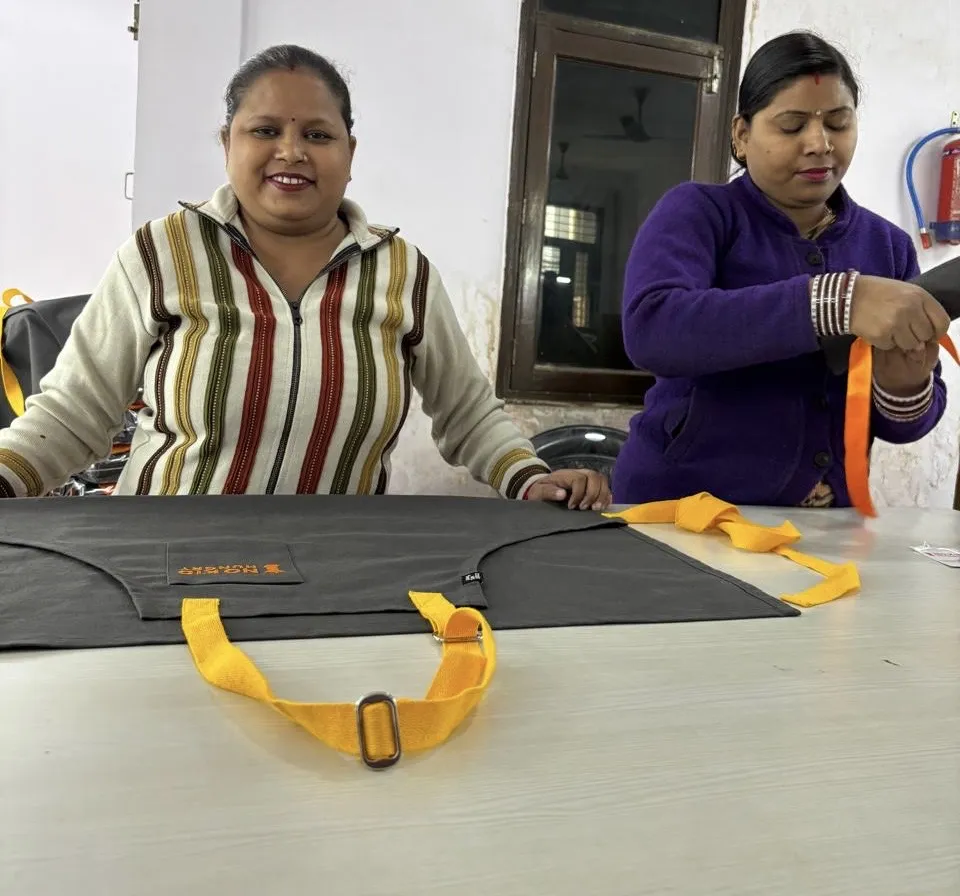
In the beginning, we partnered with the same NGO I visited in 2016. They were great, but one of their biggest challenges was finding consistent work for their trainees. By producing exclusively with them, we could help solve that problem.
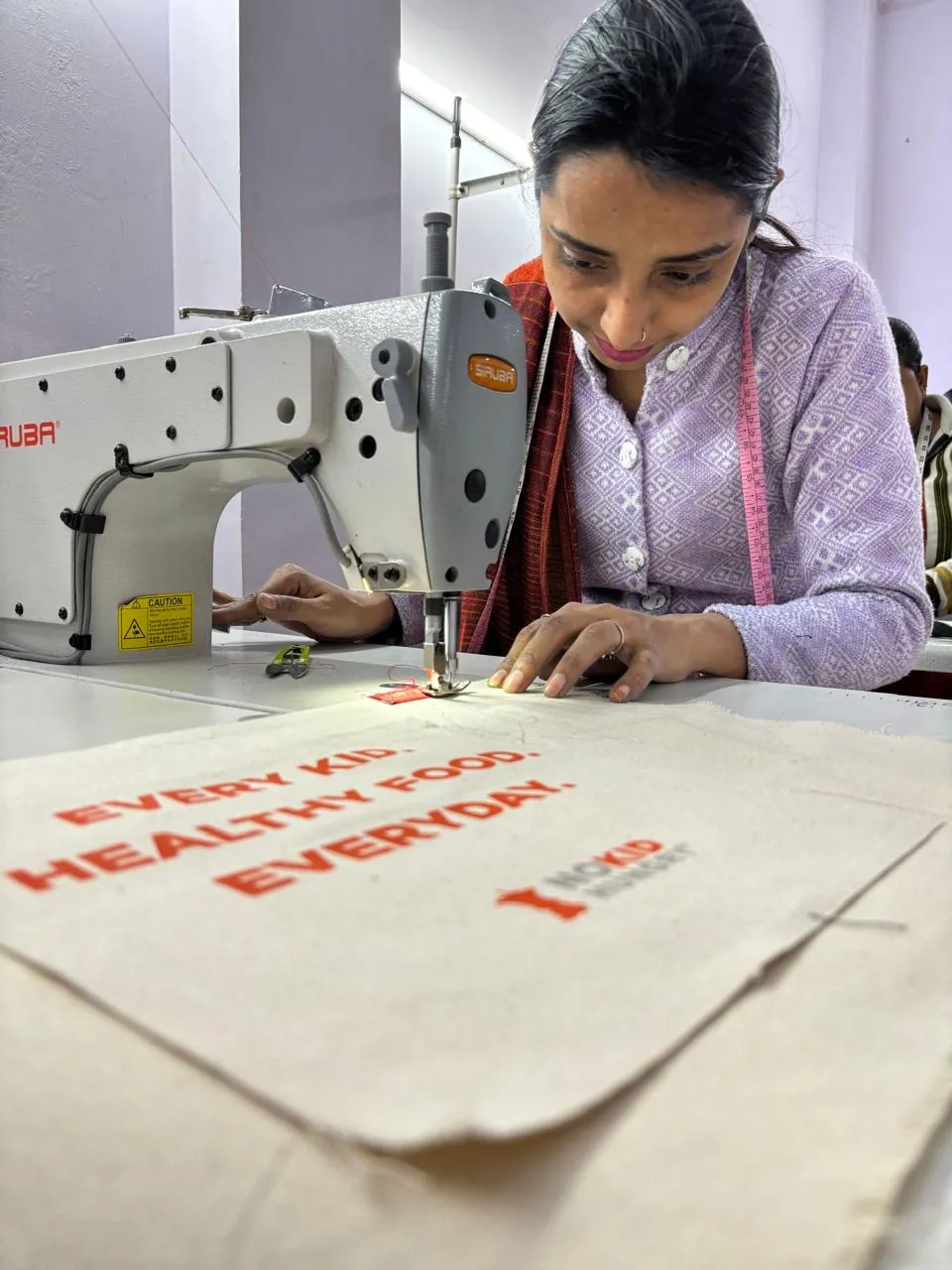
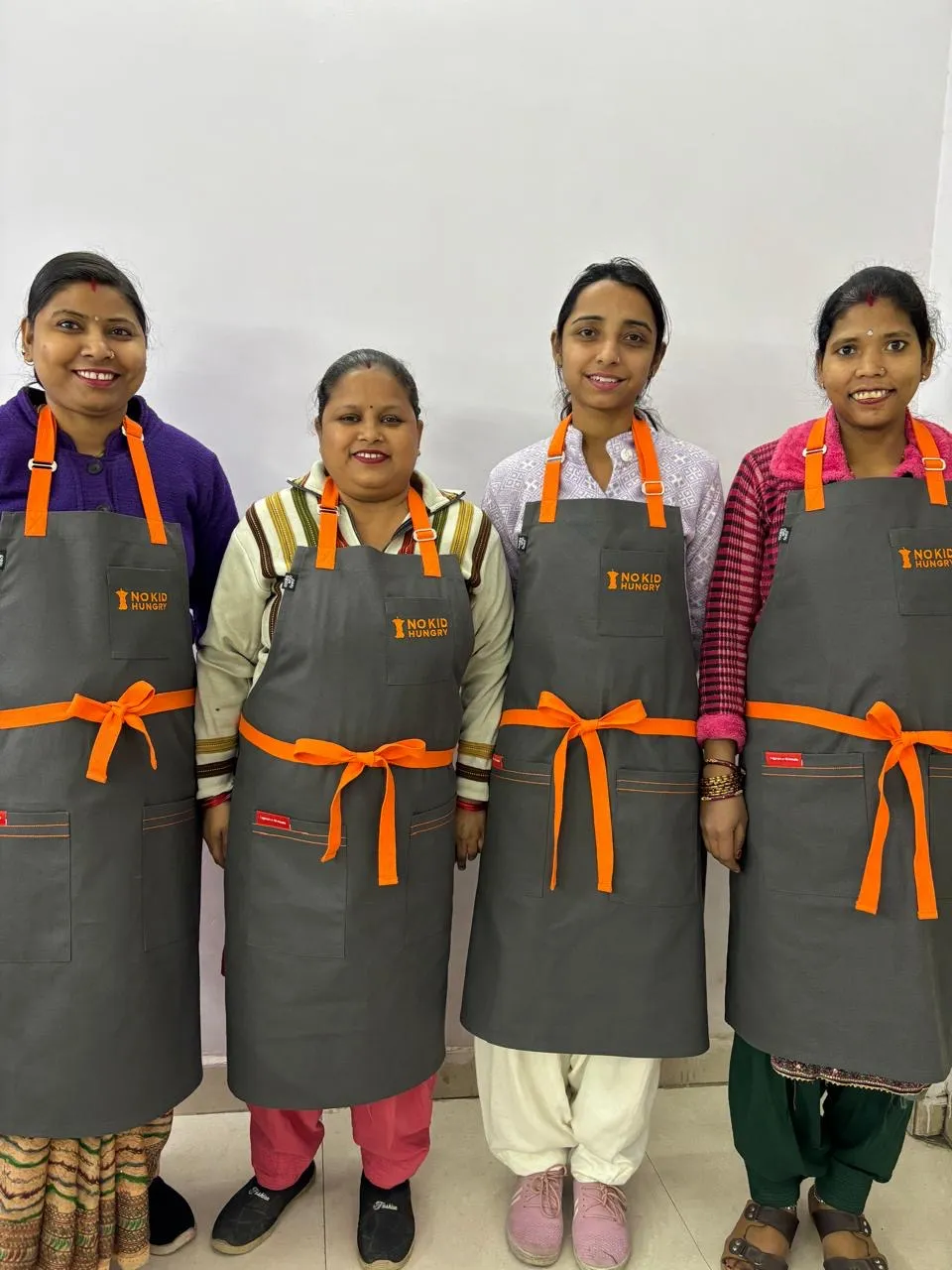
However, as a social enterprise that donates nearly 30% of profits to charity partners, we needed to reduce costs to stay sustainable. We realized we couldn’t rely on middlemen and needed full control over production. That led us to open our own facility in 2022, allowing us to manage quality, keep costs down, and produce small batches, which is important for home cooks and small restaurants as they may face large order minimums when ordering linens.
Opening our own facility also allowed us to integrate feeding programs directly into the workplace. The women now receive free, healthy lunches, which matters deeply because many are mothers who prioritize feeding their children first. As we grow, my vision is to expand this into a full hospitality training program where women learn commercial‑kitchen skills and prepare meals for coworkers and their families. We want to feed people not only through the sale of our products but also within our own community of women.
Running a business in India has its challenges—heat waves that force temporary shutdowns, temperamental weather that halts production, and language barriers. But we adapt and keep going!
How can chefs support Cooks Who Feed?
I’d love for anyone interested in collaborating with us or needing custom aprons or linens to reach out. Every piece we make has impact, and we’re eager to work with more chefs and hospitality businesses looking for sustainable, socially responsible options.
Do you have a favorite comfort food or dish you’ve been enjoying lately?
I’m always trying recipes I see trending on Instagram!! My true comfort food will always be traditional Indian chicken curry with rice. It’s nostalgic and full of comforting spices.
 |  |